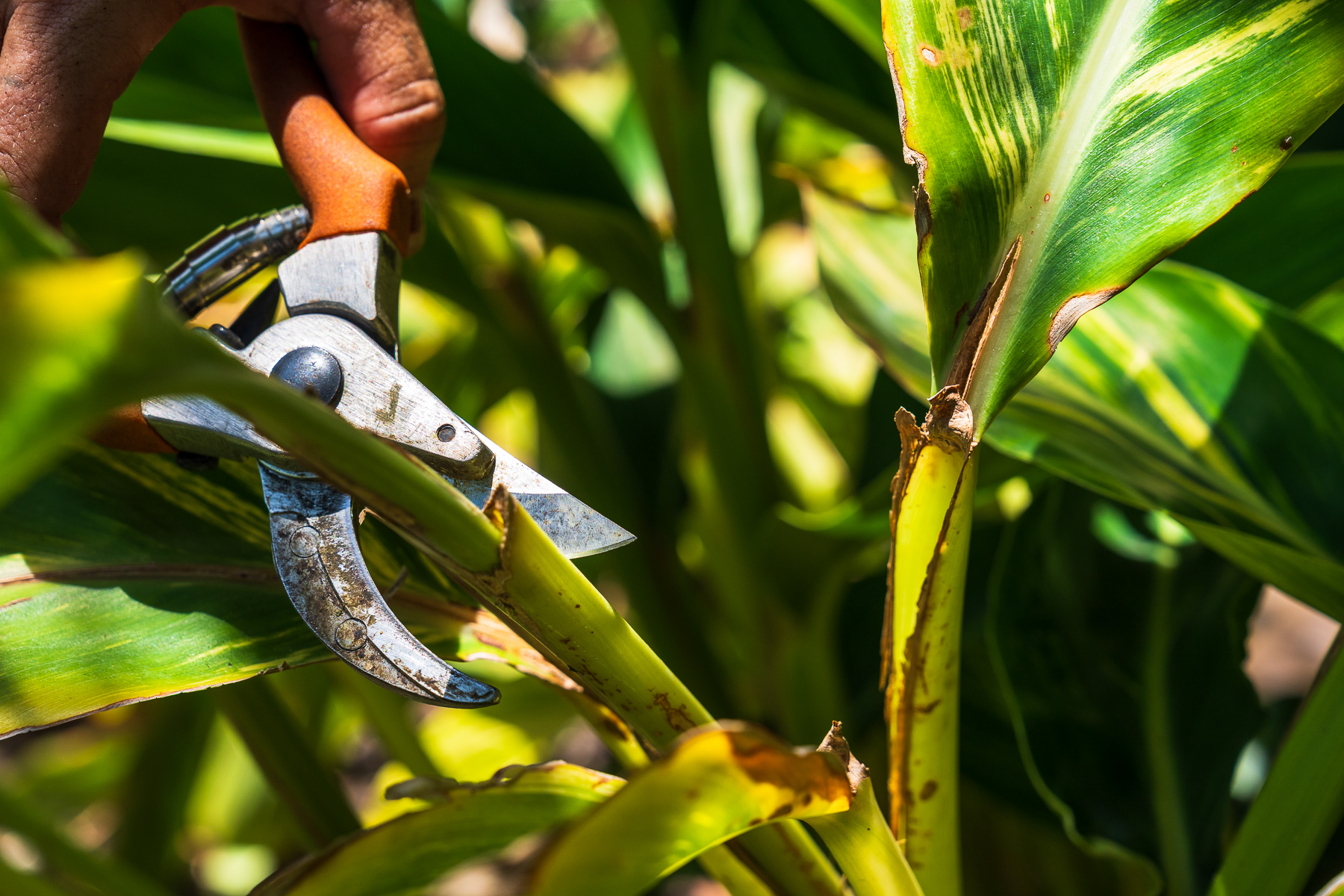
The Must-Know Difference Between Trimming and Thoughtful Pruning
 Cheryl Wethington
Have you ever stepped outside to see an overgrown hedge, shrub, or tree and thought (or even said out loud), “Well, well, well… looks like somebody just needs to cut that back already!”?
If you have, you're certainly not alone.
Actually, that kind of sentiment is usually exactly where the conversation around trimming and pruning kicks off.
The thing about the hot topic of cutting something back is that not every single plant that looks like it needs a “haircut” actually needs to be trimmed – at least, not the way you might think.
Sometimes it needs thoughtful pruning instead. Further, sometimes the best thing for that particular plant is to be left entirely alone – long limbs and shaggy branches included.
That distinction – trimming, pruning, or doing nothing – matters, particularly here in Tampa Bay.
You likely already know this, but our Florida landscapes grow differently than landscapes in many other parts of the country.
We have a long (very long) growing season, heat, humidity, heavy summer rainfall, mild winters, and plenty of unique pest and disease pressure to boot.
Plants grow quickly, which can make it tempting to run screaming for the shears every time something starts looking a little unruly and unkempt.
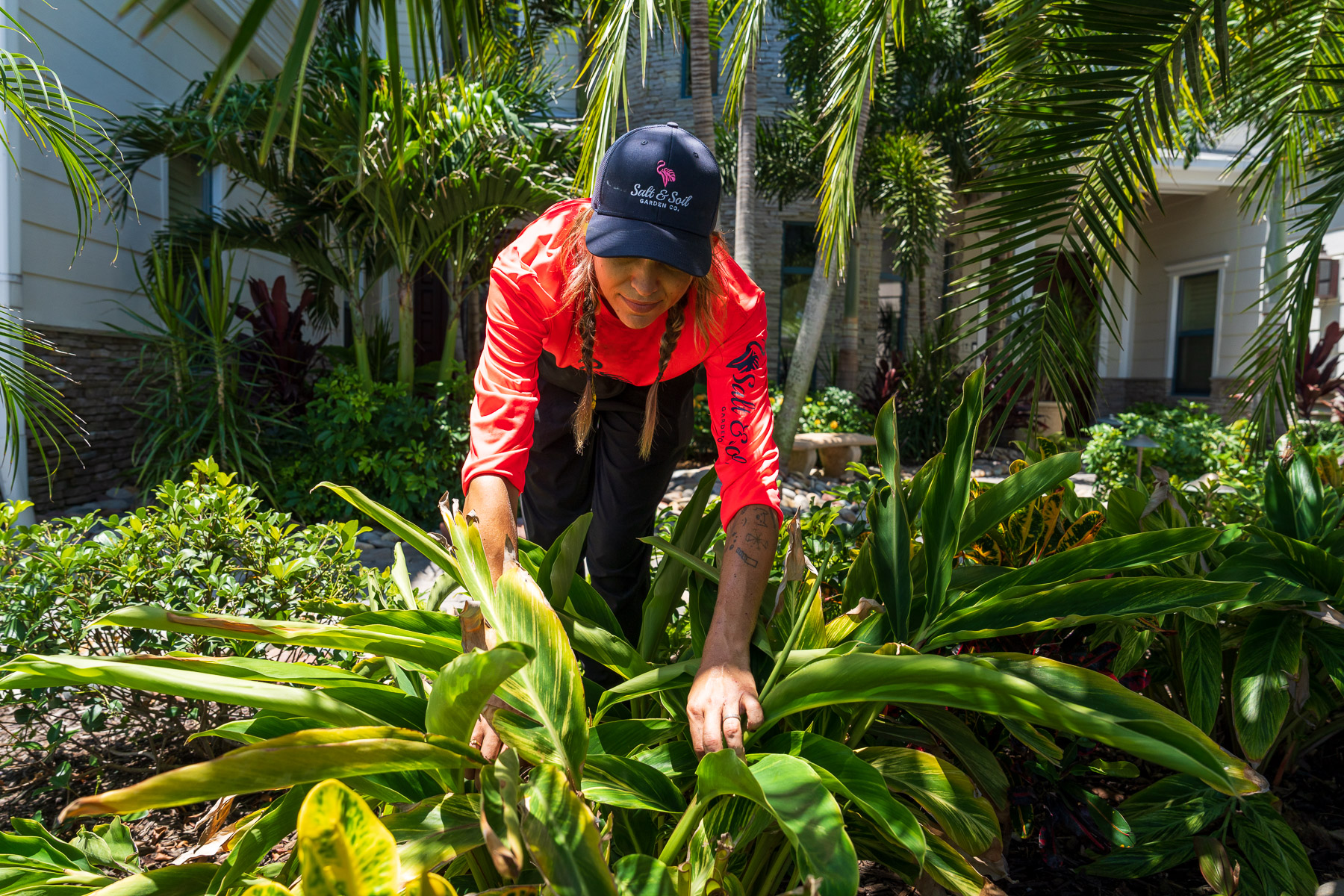
But good horticultural care isn't about making every plant look smaller, tidier, or more uniform.
It's about understanding what the plant needs in the long term and making decisions based on its health, structure, natural form, flowering cycle, location, and long-term growth.
That's the major conversation surrounding – and the biggest difference between – trimming vs. pruning. And it's also where the idea of thoughtful pruning comes in. It might seem confusing, but this guide is going to break it all down for you.
What's Inside This Guide
- So, What's the Real Difference Between Trimming & Pruning?
- Let's Talk Through "Thoughtful Pruning": What Does it Actually Mean?
- When Should You Trim a Plant?
- When Should You Prune a Plant?
- What Goes Into Thoughtful Pruning?Why Over-Pruning Can Create More Problems
- Florida-Specific Considerations for Trimming & Pruning
- Why Professional Pruning Matters in Tampa Bay
- Trimming Vs Pruning: Which Does Your Landscape Need?
So, What’s the Real Difference Between Trimming & Pruning?
Often, these terms are used interchangeably, but trust us – they’re actually different! Let's start with the simplest distinction in definitions to show you what we mean.
- Trimming: This is primarily about maintaining a defined size, shape, or clearance.
- Pruning: This is about the health, structure, flowering, development, and natural form of the plant.
Before we get any further, we want to make this clear – there is absolutely a place for both in your Florida landscape.
Certain hedges, formal borders, and plants that are intentionally maintained in a structured shape may need regular trimming (haircuts!) to preserve those clean lines. These are what we think of as structural hedge plants where maintaining a particular shape is a specific part of the design.
But not every plant or hedge should be treated that same way, and that’s where more horticultural knowledge becomes an important advantage.
When you're trimming, the question is often something like: "How do we maintain this shape or size?"
Whereas, when you're pruning, the better question is: "What does this plant actually need to thrive in the long term?"
Those might sound like similar questions, but how you answer each can lead to very different decisions and results.
Let’s Talk Through "Thoughtful Pruning": What Does It Actually Mean?
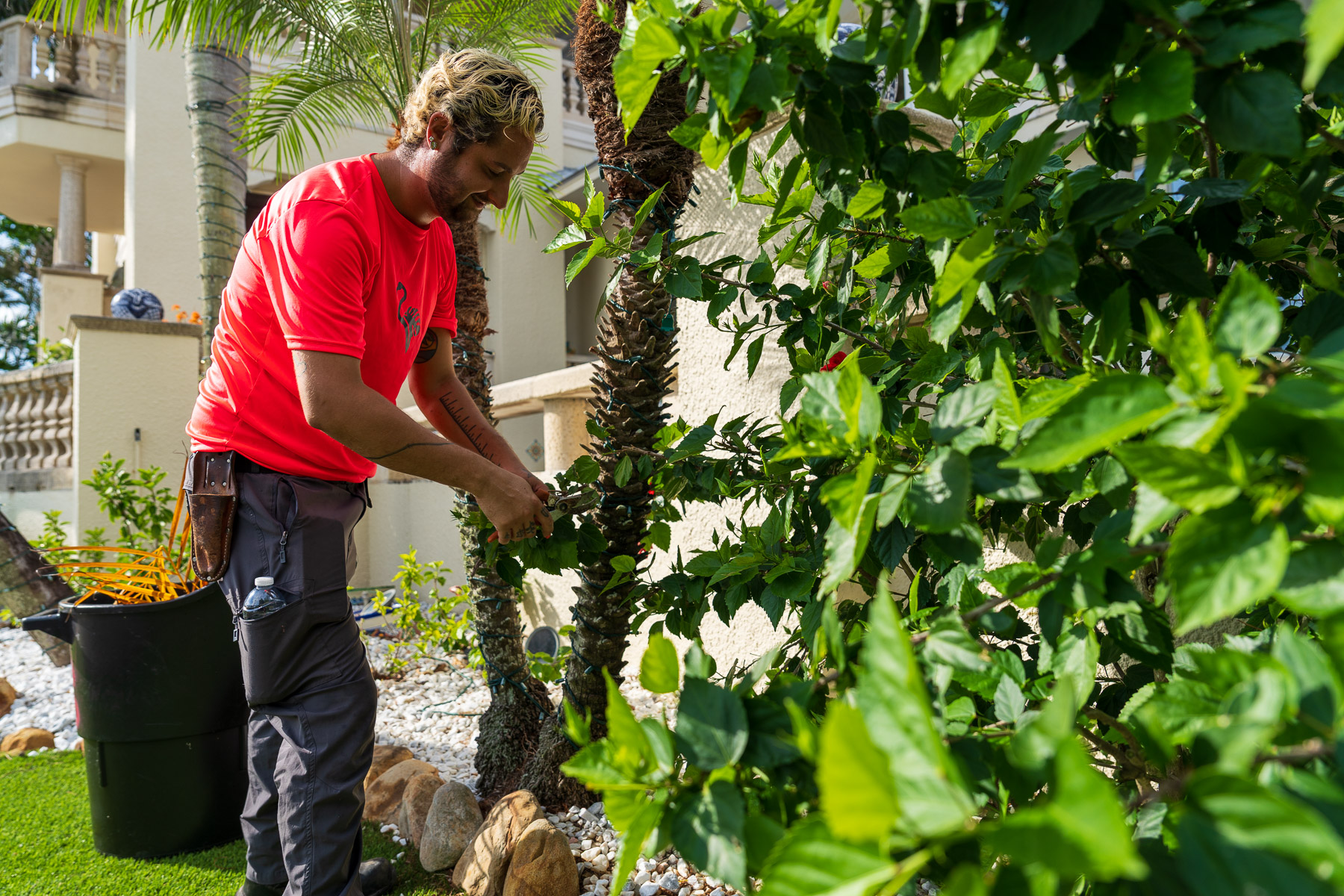
Thoughtful pruning means considering the plant's holistic health – its natural growth habit, flowering cycle, health, age, location, long-term size, and purpose within the garden – before ever making a cut.
In other words, you're not simply asking how much you can cut off to help it look tidy; you’re asking why you're cutting it in the first place and evaluating if that’s contributing to a longer-term goal for that plant.
That might mean removing dead, diseased, damaged, or crossing growth. It might mean opening up a crowded area, correcting the structure of a plant, selectively reducing its size, or rejuvenating an older plant.
It can also mean making cuts at the right time so you're not accidentally removing future flowers.
It can even mean that sometimes the most knowledgeable decision is not to prune at all. Whether you know it or not, restraint (and the art of doing nothing) is part of fine gardening.
When Should You Actually Trim a Plant?
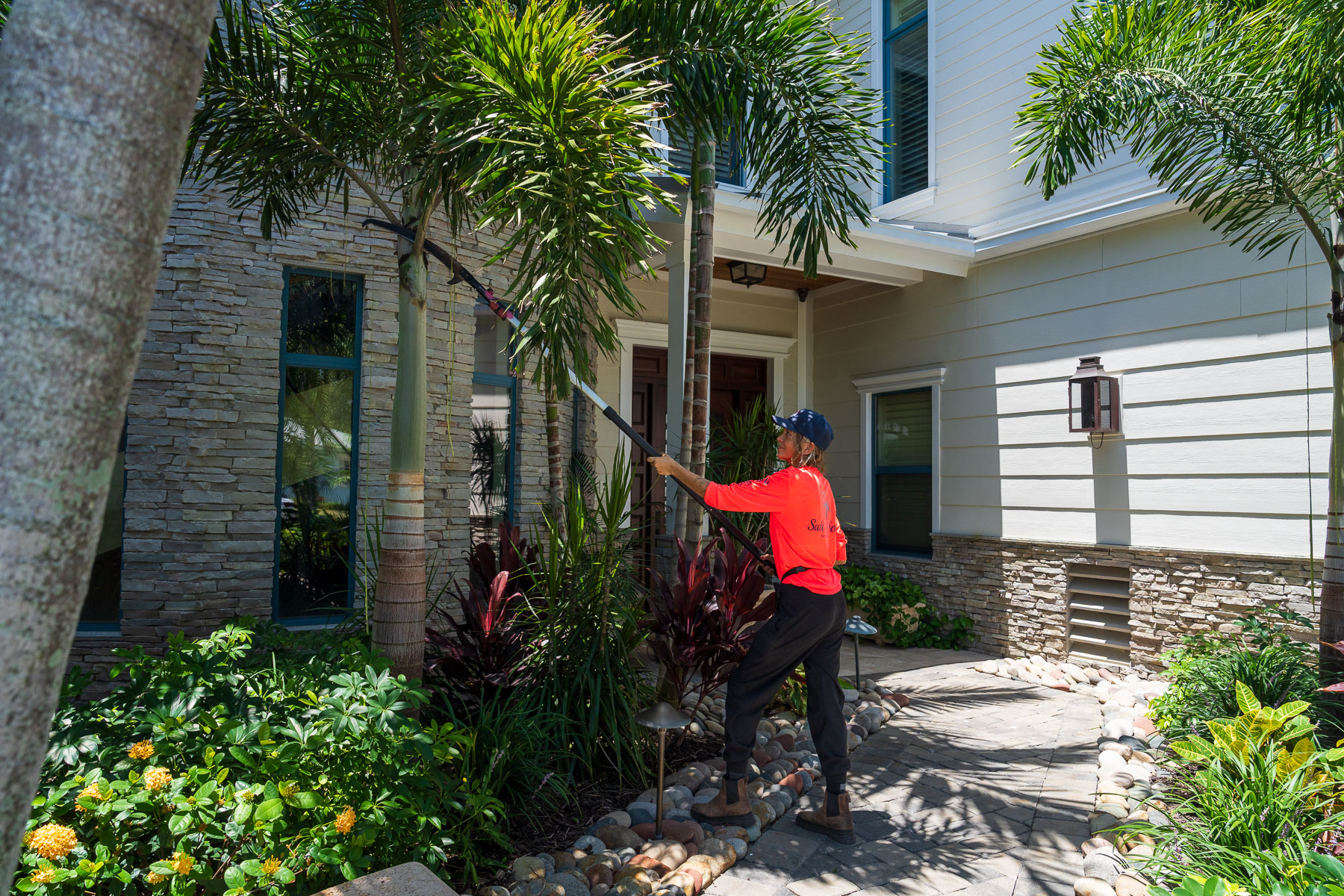
Trimming is appropriate when the primary goal is to maintain a defined size, shape, or clearance. Remember those structure hedges we referenced earlier? That’s a great example. Their job is to provide a trim, clean, structural look.
For more context, trimming may make sense when you're:
- Maintaining a formal hedge
- Keeping a structured border uniform
- Preserving a particular design line
- Maintaining visibility around a driveway or walkway
- Keeping growth away from a structure
- Maintaining a specific shape that's intentional within the landscape
In these situations, appearance and function are part of the goal of that plant – so it makes sense to keep it trimmed to a certain height, length, or width.
The important distinction here is recognizing that not every plant should be treated like a structured hedge.
When Should You Prune a Plant?
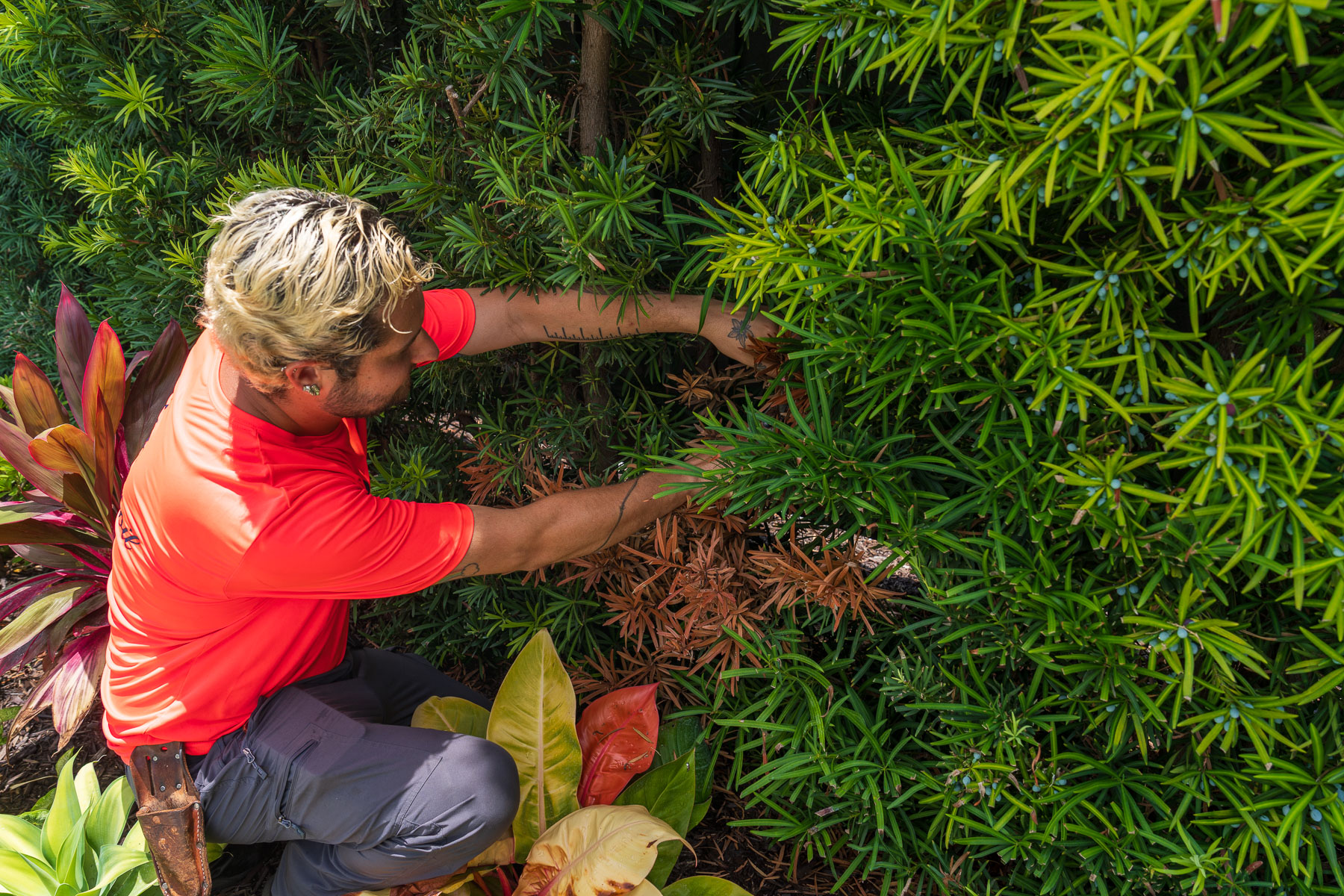
We start talking about pruning (not trimming) and considering it the appropriate path when the goal goes beyond appearance. Pruning comes into play when it involves the plant's health, structure, flowering, development, or natural form.
So, in many cases, that can include…
- Removing dead, diseased, or damaged growth
- Removing crossing branches
- Opening up crowded areas
- Correcting structural issues
- Selectively reducing size
- Rejuvenating an older plant
- Encouraging better structure
- Protecting future flowering by pruning at the appropriate time
This is where "when to prune trees" or "when to trim trees" becomes a little more complicated than looking at a calendar and picking a day because the right choice for that depends on exactly what you’re working with.
A trained gardener is looking at what the plant is, how it grows, when it flowers, what condition it's in, how it has been pruned previously, and what a cut made today may cause it to do tomorrow.
If it sounds a lot more involved than choosing a season to prune, that’s because it is! Thankfully, trained gardeners and experienced horticulturists know how to tackle these challenges.
What All Goes Into Thoughtful Pruning?
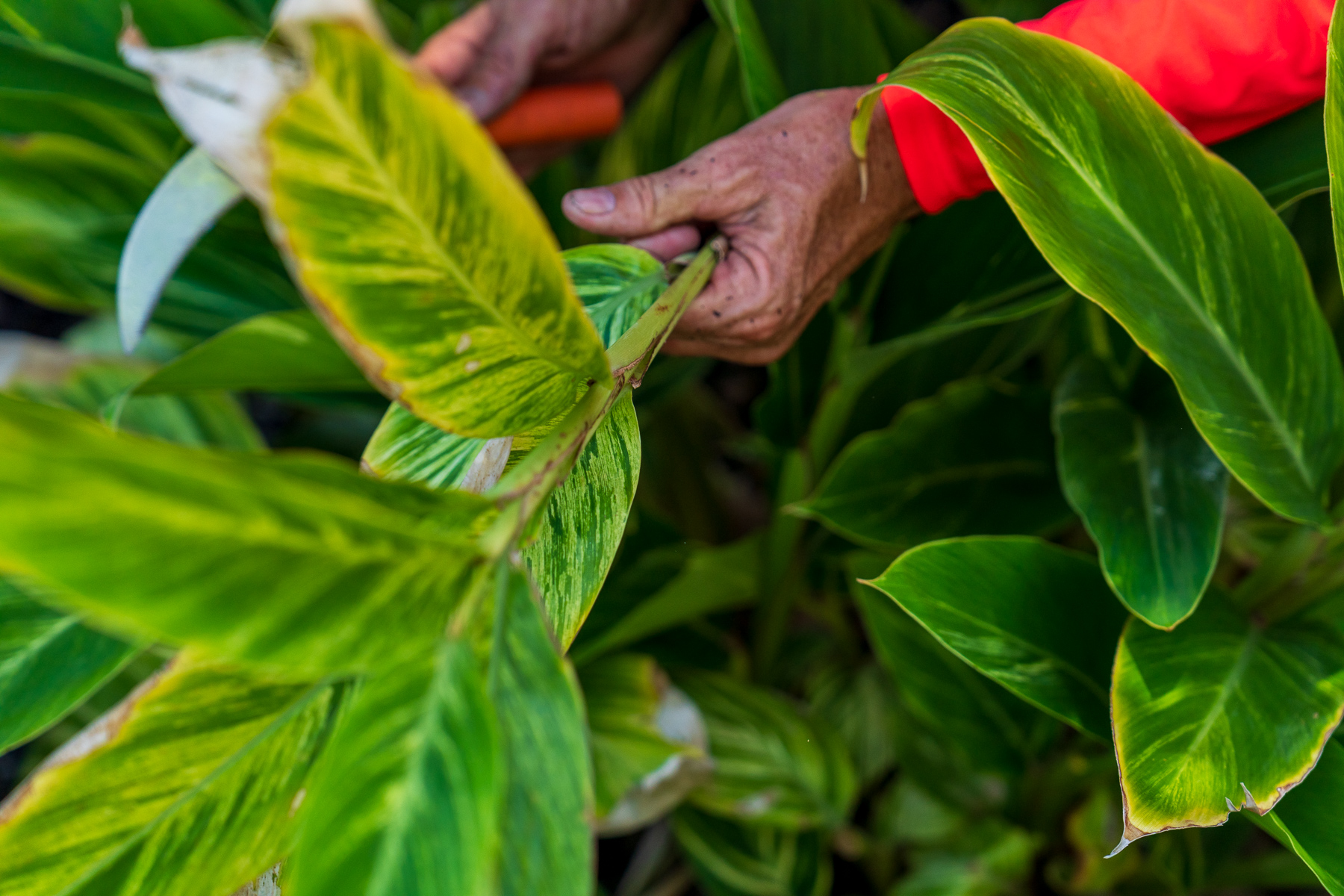
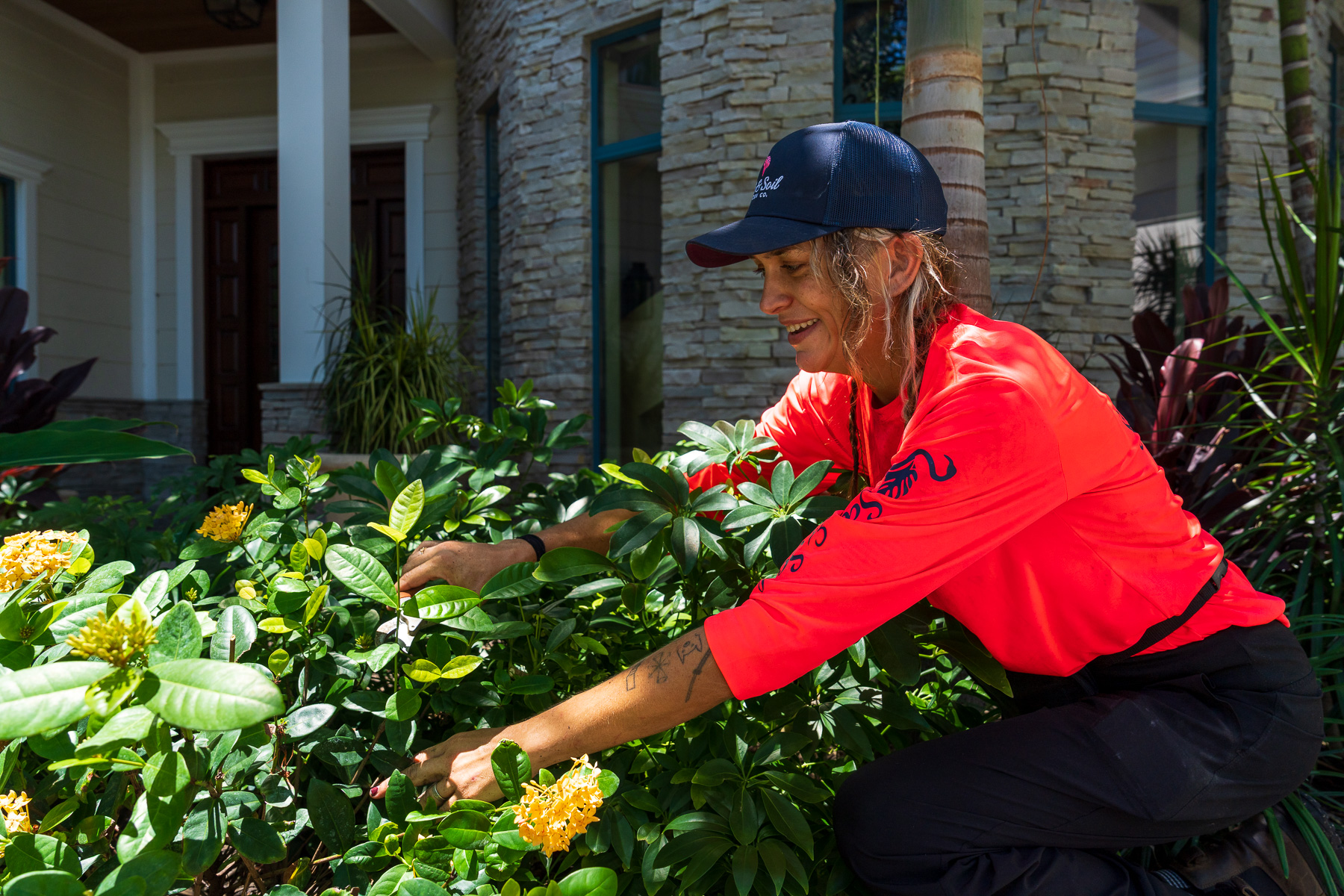
Thoughtful pruning starts long before the tools come out and gardeners begin to make cuts. At Salt & Soil, our gardeners are considering a long list of factors before deciding where – or whether – to make any kind of cut.
For us, that includes factors like:
- The species and variety of the plant
- Its mature size
- Its natural form
- Its current health
- Its flowering cycle
- Previous pruning
- Dead, diseased, damaged, or crossing growth
- Surrounding plants
- Available space for growth
- Sightlines and access
- The original design intent
- The homeowner's preferences
- How the plant is likely to respond after the cut
Then, of course, beyond these considerations, there's technique to think about.
We grapple with everything – where the cut is made, how much is removed, the time of year, the tools involved.
And even after all this consideration, sometimes, again, the most knowledgeable decision is to leave the plant alone and let it do its own thing.
That's the part of pruning for healthy growth that can be hard to understand. Good pruning is about preserving what the plant needs to continue developing naturally.
Why Over-Pruning Can Create More Problems
One of the challenges we see in Florida is that our plants grow so quickly that our instincts lead us to cut more frequently and more aggressively – and that’s not always the right choice.
Repeatedly shearing plants can create dense exterior growth, bare interiors, poor flowering, unnatural shapes, and eventually leave you with a landscape full of plants that are stressed or oversized.
To put it simply, more cutting doesn't necessarily solve the problem. While the long-term solution could be better pruning, it could also point to a need for better plant selection or even replacing a plant that was installed in an unideal spot.
If you're constantly fighting a plant to keep it at the size you want, it's worth stepping back and asking whether the plant and the space are actually a good match.
A Few Florida-Specific Considerations for Trimming & Pruning
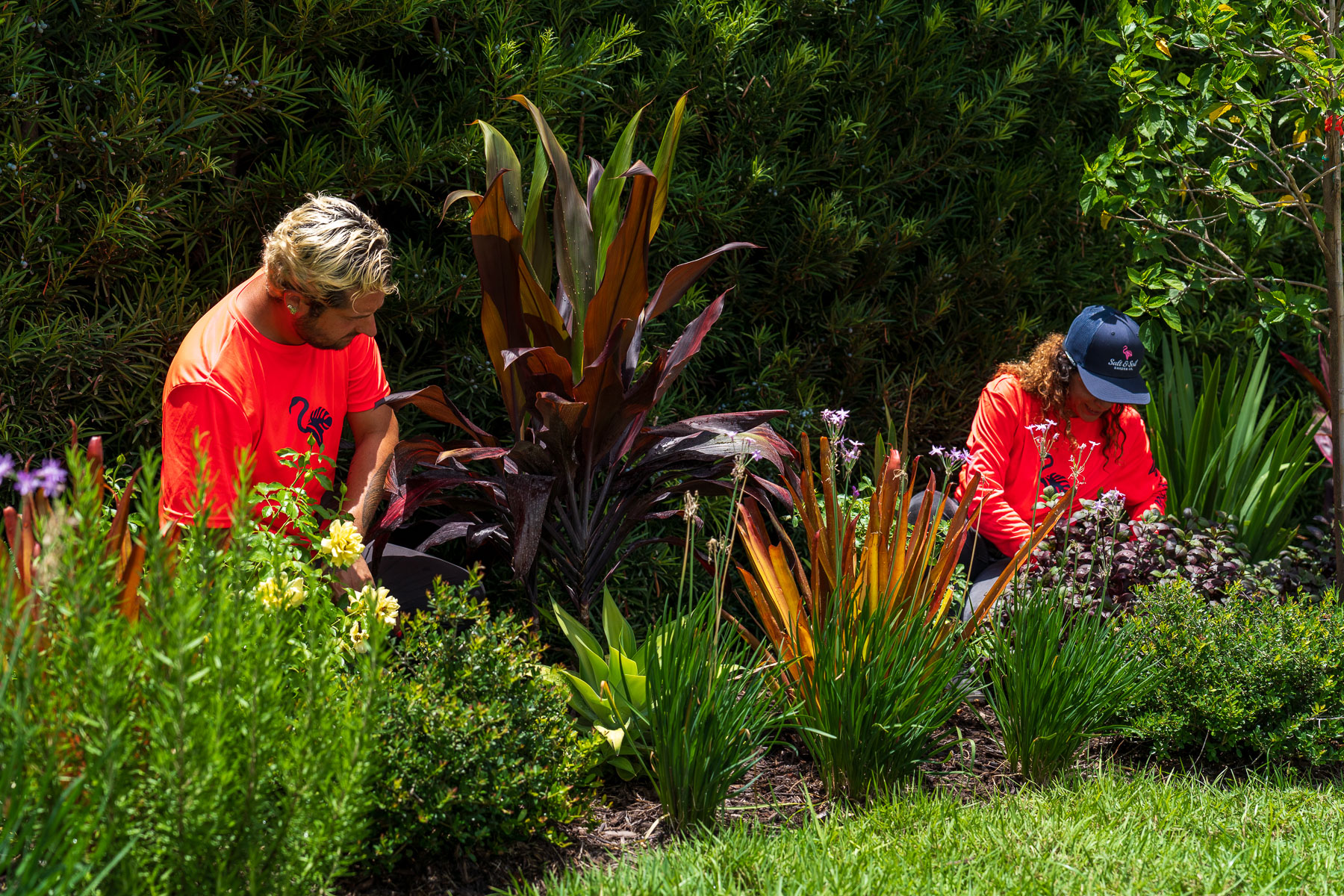
Florida plants don't behave exactly like plants growing in other parts of the country. Here in Tampa Bay, we're working with a long growing season, heat, humidity, heavy summer rainfall, mild winters, pests, and disease issues.
All of those conditions affect how plants grow and how they should be cared for.
Timing Matters
Some flowering shrubs should be pruned after flowering so future blooms aren't removed.
That means you can't necessarily look at a plant and decide today is the day for a trim – the timing of a cut matters just as much as a cut itself.
Not Every Plant Responds Well to Shearing
Some plants can handle regular trimming to maintain a defined form, but other plants respond negatively to repeated and aggressive shearing.
If you treat every plant in your landscape like a hedge, that's a problem worth addressing – because they’re not all meant to be sheared that way.
The goal should always be to understand what each plant needs instead of forcing every plant into the same, more convenient maintenance routine.
Palms Are Very Different Ballgame
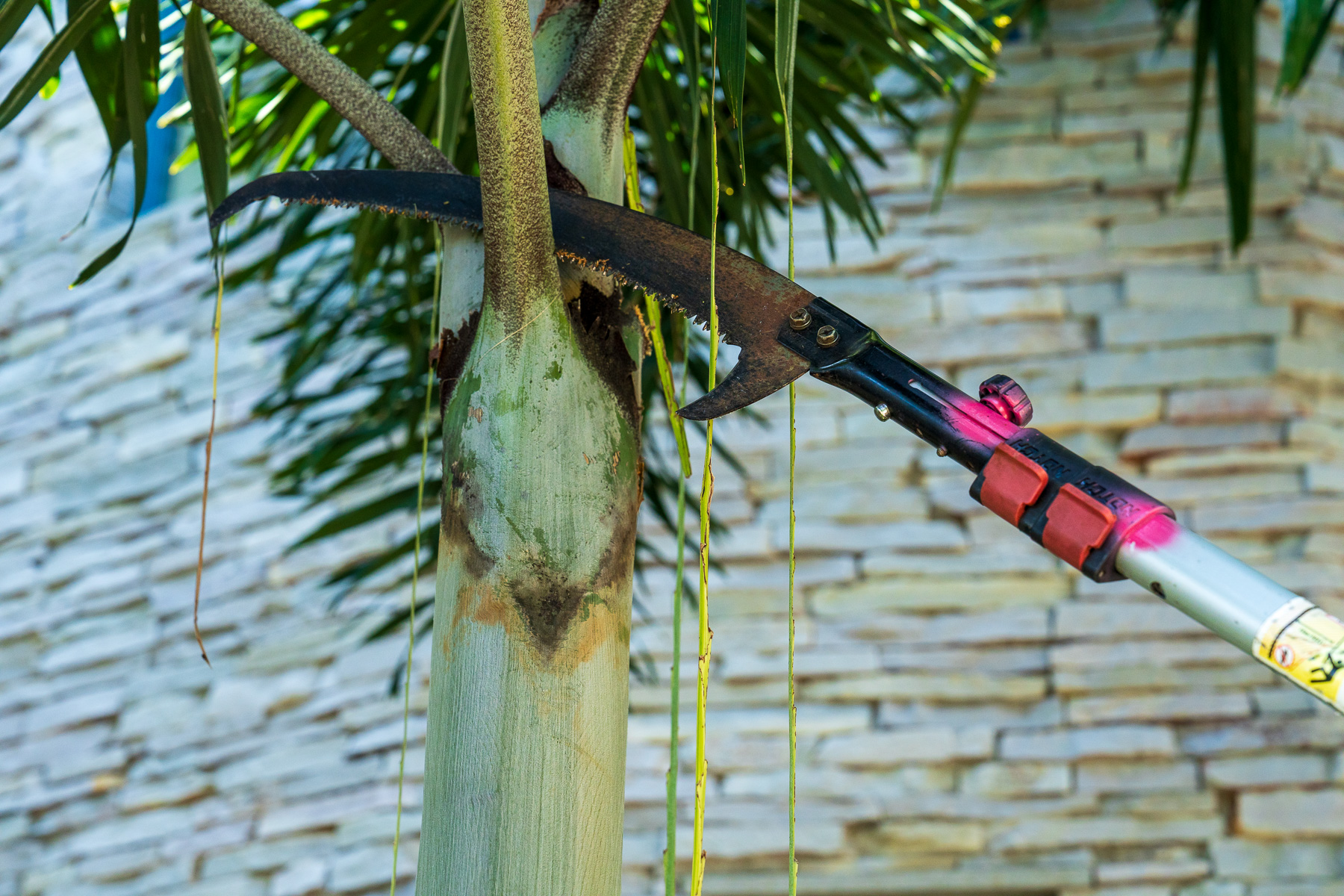
Palms are incredibly unique and have very different pruning requirements from woody shrubs.
That alone is a good reminder that "pruning" isn't one universal task that can be applied the same way across an entire property and all of your plants. Different plants have different biology, different growth habits, and different needs – before you prune, ask yourself if you truly understand this particular plant's needs.
Storm Season: It Throws Us For a Loop
Living in the Tampa Bay area also means thinking about tropical weather and the storms that affect us. Storm season may influence how certain plants are managed, which makes the overall health and condition of your landscape important before severe weather arrives. (Read: we say before as often as we can – this is not something you want to deal with as storm season approaches).
Why Professional Pruning Matters for Tampa Bay Properties
Even though we have plants with unique needs, we want to reiterate that you shouldn't have to research the pruning requirements of every plant in your landscape.
That's part of what you're trusting your gardening team to understand.
A trained horticultural professional will consider the plant, its growth patterns, its flowering and blooming patterns, its condition, its past, its space, its placement, and so much more before they ever make a cut.
That holistic, end-to-end consideration is one of the main differences between basic landscape maintenance and horticultural care.
Those elements are particularly valuable in Tampa Bay, where our landscape is hot, humid, and always growing. A good gardening team pays attention to those changes rather than simply following a checklist and “getting things done.”
Trimming vs. Pruning: Which Does Your Landscape Need?
The short answer is that it completely depends on the plant and its purpose.
If you're maintaining a formal hedge, preserving a particular shape, or keeping growth clear of a walkway or structure, trimming may be exactly what the landscape needs.
If you're addressing plant health, structure, flowering, damaged growth, crossing branches, natural form, or long-term development, pruning may be the better approach.
Truthfully, it’s impossible to say without seeing the plant and the property. And honestly, sometimes the answer is a combination of both trimming and pruning.
A beautiful landscape isn't necessarily one where every plant is perfectly symmetrical or aggressively maintained. Often, it's one where plants have been given the right amount of care to look healthy, natural, and appropriate for the space they're in.
Trimming & Pruning FAQs: Must-Know Answers
Is trimming the same as pruning?
It’s not! While the terms are sometimes used interchangeably, trimming is primarily focused on maintaining size, shape, or clearance. Pruning is focused more broadly on the health, structure, flowering, development, and natural form of the plant.
When should I trim my trees?
If the goal is primarily to maintain a defined size, shape, or clearance, trimming may be appropriate. However, the right approach depends on the plant, its location, its growth habit, and the purpose of the work.
When should I prune trees?
Pruning should be considered when the goal involves the tree or plant's health, structure, flowering, development, or natural form. Timing can also matter, particularly for flowering plants, since pruning at the wrong time can remove future blooms.
Can pruning actually hurt a plant?
Repeated, aggressive, or inappropriate pruning or shearing can cause dense exterior growth, bare interiors, poor flowering, unnatural shapes, and plants that appear stressed or oversized for their locations. In short, all sorts of problems.
Is it better to trim or prune plants in Florida?
There's no universal answer, and it all depends on the plant, the placement, and its purpose. Florida landscapes contain many different plants with different growth habits and needs. The better question is what that particular plant needs at that particular time and whether the goal is maintaining appearance and clearance or addressing health or structure.
Need Landscape Maintenance Services in Tampa Bay? We’ve Got You Covered
Your landscape deserves more than someone showing up with a pair of shears and trimming like crazy. At Salt & Soil Garden Co., thoughtful landscape care starts with understanding the plants, the property, and what the landscape actually needs.
To us, quality landscape care starts with a thorough, holistic hunderstanding of horticulture as well as knowing what to do and why we’re doing it.
If you're looking for landscape maintenance services in Tampa Bay and want a team that pays attention to the details of your garden rather than treating every property the same, Salt & Soil Garden Co. is here to help.
