Florida Groundcover: Here are Your Best Options
 Brent Wastney
If you, like so many other Floridians, are looking for thoughtful ways to improve the health, texture, and beauty of your lawn, soil, or planting beds, then groundcover may be one of the most useful landscape additions to consider.
Groundcover can soften bare areas, help protect soil, reduce weeds, and bring a more layered, finished look to your outdoor space.
If you’ve never thought much about groundcover before, that’s okay. Trust us, you’re not alone. Groundcover is one of those landscape details many homeowners see every day without realizing how much it can do for the look and health of an outdoor space.
As you likely already know, growing thriving plants, trees, flowers, and a maintained landscape can be a challenge in Florida based on our heat, humidity, tropical climate, random freezes during our mild winters, and of course, hurricane season.
Naturally, groundcover is no different.
The solution is to choose groundcover that is suited to your specific Florida conditions, including sun exposure, soil type, salt air, drainage, and the way you want your outdoor space to look and feel.
This can be complicated. There are a lot of factors to consider when it comes to thriving groundcover, and honestly, any kind of plant, shrub, tree, or landscape feature in Florida. But we’ve gathered a list of Florida-friendly groundcover options that can bring beauty, texture, and practical benefits to residential landscapes.
Here’s what to know about groundcover, which options may work best in a Florida landscape, and how to care for the groundcover you choose.
What is Groundcover?
But first, what is groundcover?
Before we can talk about the types of groundcover that make the most sense for your landscape and goals, we have to answer the most important question of all: what is groundcover?
Here’s a simple way to think about it.
Whether you know it or not, you have likely seen groundcover throughout Florida landscapes. It often fills planting beds, softens pathways, covers bare soil, or replaces areas where traditional turf struggles.
Groundcover is considered any kind of plant that covers a vast amount of the ground (seems pretty obvious, right?) Groundcover plants are typically short, quick-growing perennials that don’t require all that much care or soil. Low maintenance, they’re typically referred to as an herbaceous layer (or even a regenerative layer) or a step over. Groundcover plants can hold soil in place, add nutrients to your plants and soil, and snuff out weeds without an issue.
Though groundcover is typically considered a living plant, there are non-living groundcover options like mulch, decorative stone, shade clothes, and other options, too!
These synthetic options are able to sterilize soil (if needed), keep soil from drying out too fast during incredibly hot periods, and even help to control weeds.
Groundcover is considered a low-budget, low-key alteration you can make to your landscape that can improve it dramatically.
What are the Best Options for Groundcover in Florida?
Now that you’ve got a better idea of groundcover, let’s dive into the types of groundcover that make the most sense for your specific Florida landscape. As you know, in Florida, you can’t make something grow if it doesn’t want to, so we’ve taken our years of experience in groundcover and put together a Florida-friendly list for you to review.
Check out a few of our tried-and-trues below.
Beach Sunflower
This is one of the best Florida groundcovers we could possibly offer. This Florida-native is a butterfly attracting cover that’s perfect for hot and dry areas – specifically those coastal areas.
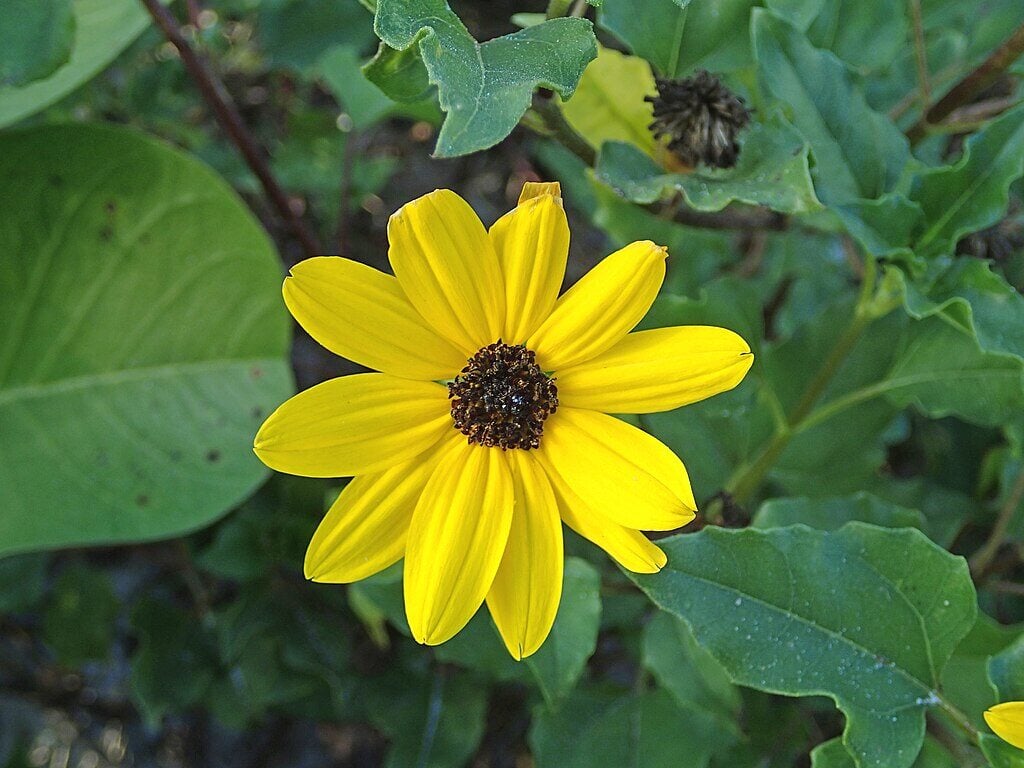
A spreading perennial plant that also reseeds (meaning it will create a larger clump over time), this groundcover blooms almost year-round with beautiful, two-inch sunflower-like flowers. The best part about them? Because they grow almost all year round, they can really brighten up those cooler, darker times of the year (we’re looking at you, Florida winter).
It’s colorful, it’s tough, and it is drought-resistant, making it one of the best groundcover options for Floridians. These sun-following flowers have broad yellow petals clumped around a brown center and are perfect for controlling soil conditions. The cool thing about this groundcover is that it easily attracts wildlife. From all types of butterflies to bird and beyond, this groundcover will ensure your landscape is buzzin’ with beautiful creatures.
These beauties can even be found growing naturally on the Gulf Coast, so we’re sure you Pinellas County folks have noticed these on the mini dunes of your favorite St. Pete Beaches.
Jasmine Minima
A common groundcover, it’s more than likely (it’s actually super probable) that you’ve seen Asiatic Jasmine Minima a few times before—even if you don’t know that you’ve seen it. An evergreen, vine-like plant, Asiatic Jasmine Minima is a groundcover that’s woody, hardy, and incredibly drought-tolerant. Native to Korea and Japan, this groundcover is low maintenance, great for mass plantings, and a superb alternative to turfgrass if that’s just not the look you’re going for.
Asiatic Jasmine is a dense mat of foliage that’s often substituted for turf due to its drought-tolerant nature and low-maintenance requirements. This type of groundcover is able to survive in both full-shade with ample moisture or full sun – it’s also well-known for adapting to most any type of soil. It’s slow growing, extensive, and with a little care, can create a tangled blanket of groundcover.
Because this groundcover is known for its sturdiness, it is not often subject to pest or disease issues and can work well in tougher spots around a home where other plantings may struggle.
Emerald Blanket Carissa
Often called the Boxwood Beauty or the Natal Plum, the Emerald Blanket Carissa is a small, slow-growing, exquisite looking ground cover with beautiful, deep green foliage that’s sure to stun.
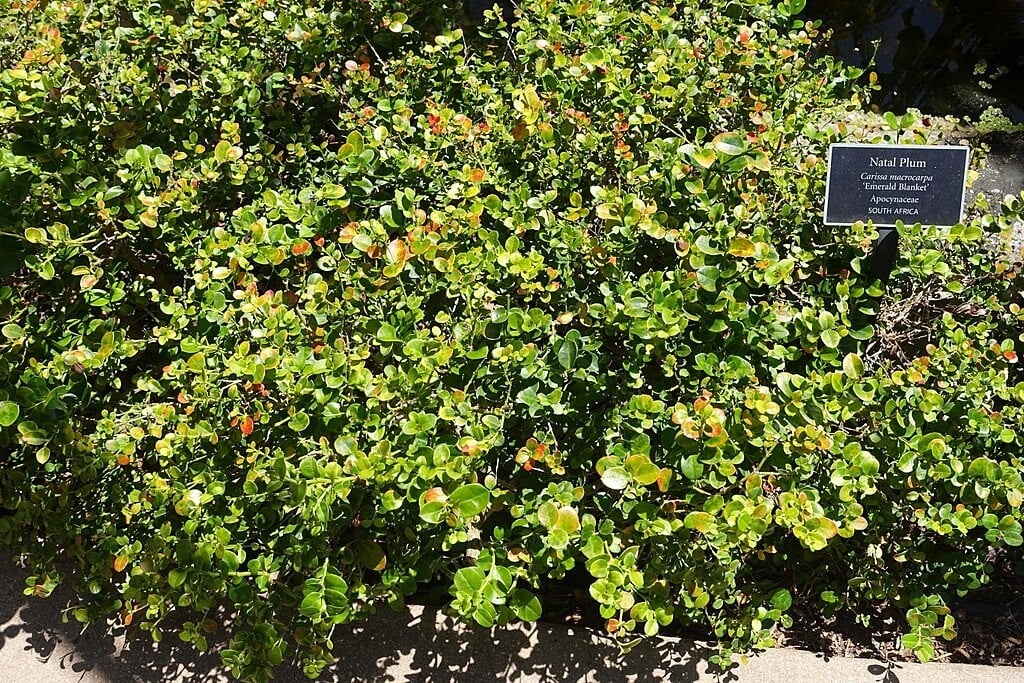
Manageable and aptly named for its exquisite emerald green leaves, the Emerald Blanket Carissa is a fantastic Florida groundcover option. If maintained, its growth can be kept to a minimum. It also grows at a slower pace, allowing its low spread to be tracked and tailored to your preferences! It will only grow to be a bout 1-1.5 feet tall, is salt-tolerant, and prefers full to part-sun, which is perfect for our Florida climate.
This type of groundcover is compact, mounded, and is a wonderful foundation plant. Variations of this groundcover will produce edible fruit (called a red plum).
Purple Queen
If you ever doubted that the people who name plants know what they’re doing, just take a look at the Purple Queen.
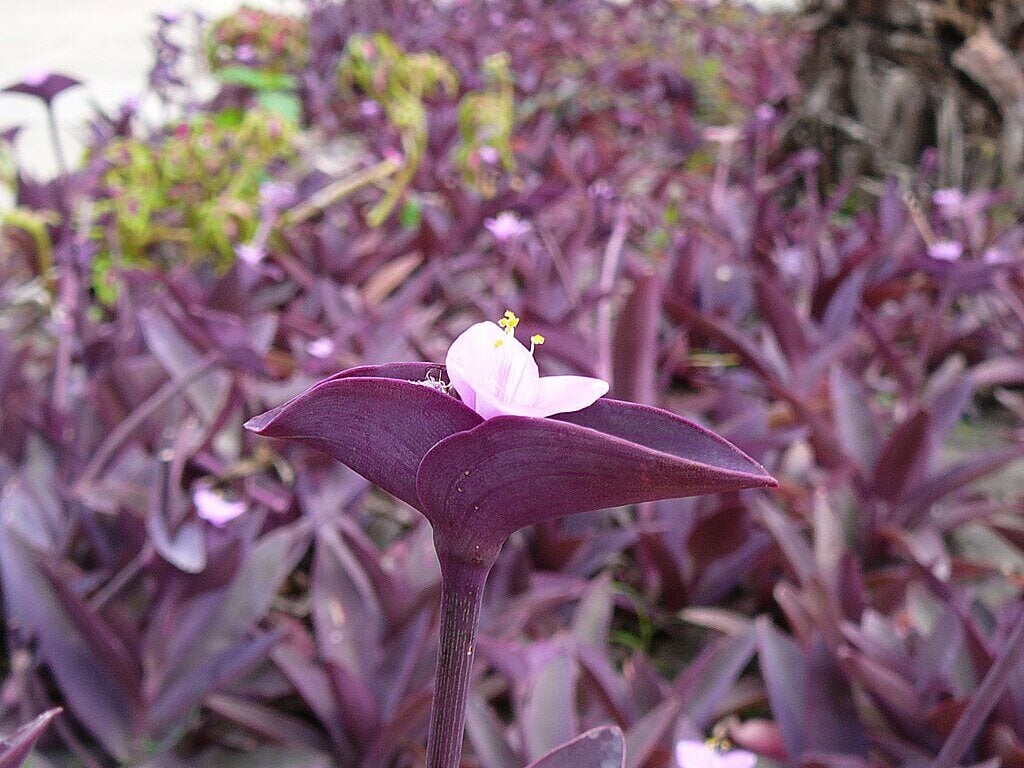
This gorgeous groundcover couldn’t be more purple. Originally from Mexico, this perennial spiderwort blooms a deep, pulper-covered mass of foliage. The color alone makes it a fantastic addition to any landscape that needs an extra pop, but you do have to keep an eye on it as it tends to wander.
The tip of each stem of the Purple Queen has three-petalled pink flower that are both short-lived and beautiful. It’s not just a stunning option for groundcover, it’s also a super easy option for folks wanting beautiful solutions without much work. Purple Queen is salt tolerant, drought tolerant, and goes great in the sun—but more than that, it’s frost tolerant, so should we get a random Florida cold snap, you likely won’t need to take any precautions. And if damage does befall this beautiful queen of a groundcover option, it’ll regrow quickly!
Perennial Peanut
Looking for tough groundcover that can quickly and easily replace your lawn with a beautiful and symmetrical flat foliage? Look no further, friends, because you’ve found it right here—meet the funny-named, but beautiful-looking groundcover you’ve been waiting for, the Perennial Peanut!
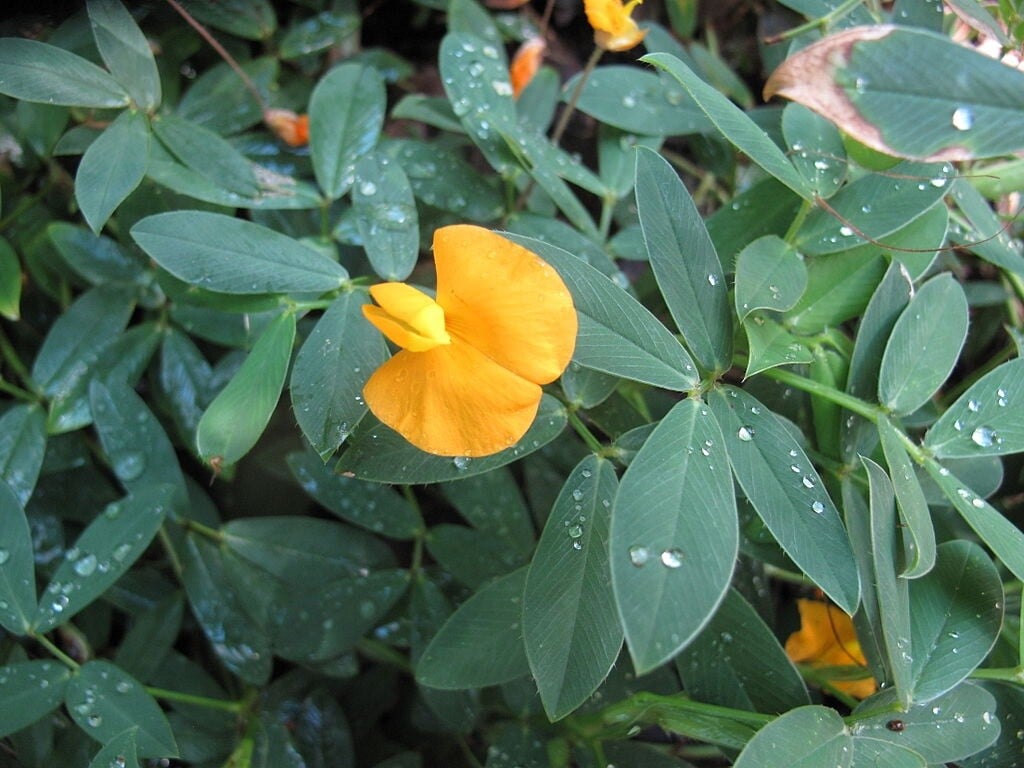
It looks great while requiring nearly no work—what could be better than that? The delicate yellow flowers that pop up from time-to-time are just icing on the proverbial groundcover cake. Technically a forage legume, this perennial peanut is a long-lived crop that can live for up to 30 years (if taken care of properly).
Dwarf Oyster Plant
Short-stemmed and tender, this plant is a small, dense, and beautiful groundcover that spreads in clumps and produces upright leaves that grow to about six-t-eight inches long. These sword-shaped leaves are green shoots with varying shades below—during the spring season, you’ll even see clusters of tiny white flowers nestled into the purplish bracts of the groundcover.
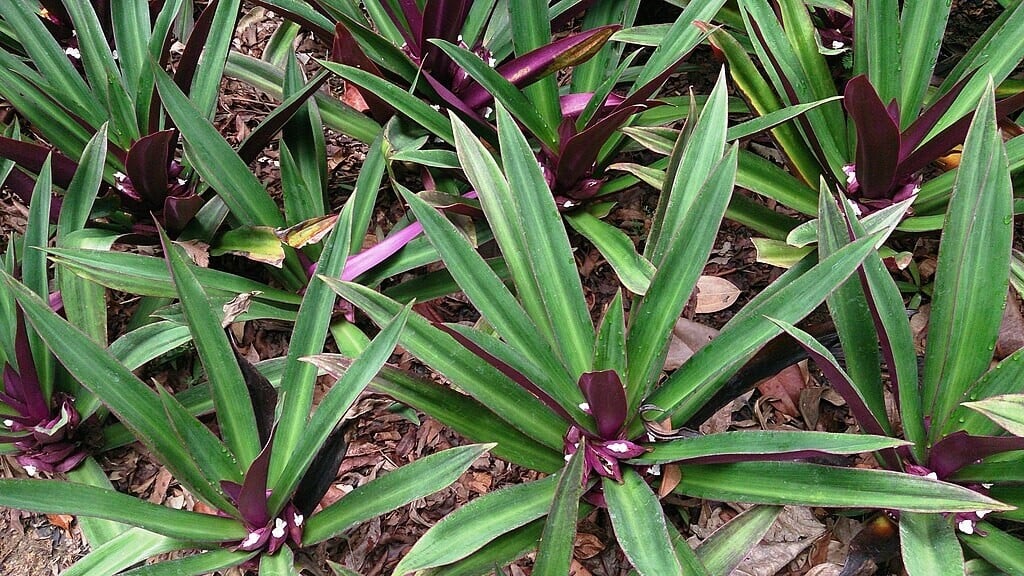
The Dwarf Oyster Plant is slow-growing and makes a beautiful groundcover, especially as an accent around other landscaping features. It prefers a mixture of sun and shade, so planting it beneath trees, near a shaded entry, or along a protected side of the home can improve its appearance and health.
This groundcover does well year-round as groundcover, can grow up to 1.5 feet, and does exceptionally well in part shade, part sun, or full sun. With a high drought-tolerance and plenty of flexibility when it comes to soil type, this groundcover option is a must!
Blue My Mind
More than just clever wordplay, this groundcover features stunning blue blooms and delicately textured leaves, making it a unique enhancement for any Florida landscape. With rich, green leaves and bright, royal blue flowers that bloom until the first frost (should we ever get there in a Florida winter), this groundcover is a delightfully beautiful option that doesn’t skimp on stunning characteristics.
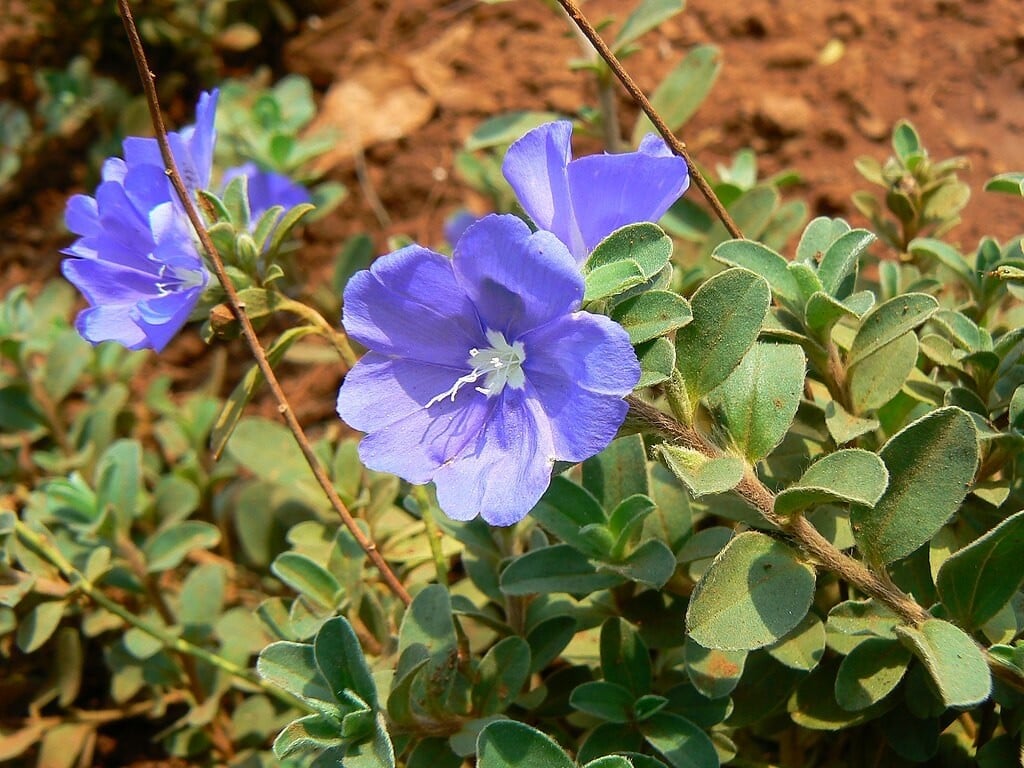
The best part? It’s easy to care for, too. Just like any other live groundcover, it’ll need a little TLC to be successful, but ultimately, with a little love, routine maintenance, and plenty of patience, this slow-growing groundcover option will show up and show out in your Florida landscape.
They also happen to love the heat, so plant them in full sun, sit back, and watch them flourish in Florida’s climate!
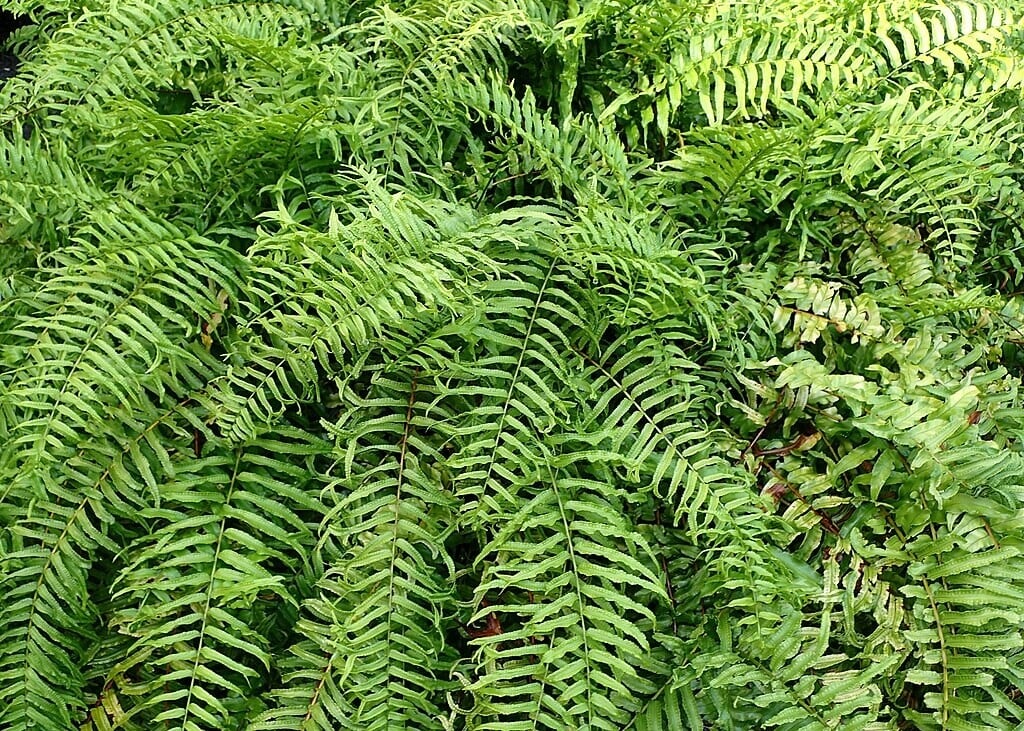
Ferns
Utilizing ferns in Florida as groundcovers, specifically the Foxtail fern and the Macho fern, are particularly clever ways to keep your soil healthy, your plants happy, and your landscape looking beautiful. The Foxtail fern features aesthetically please tufts that are enticingly soft. It is also tolerant of the cold, so it’s bound to survive whatever winter Florida can throw at it.
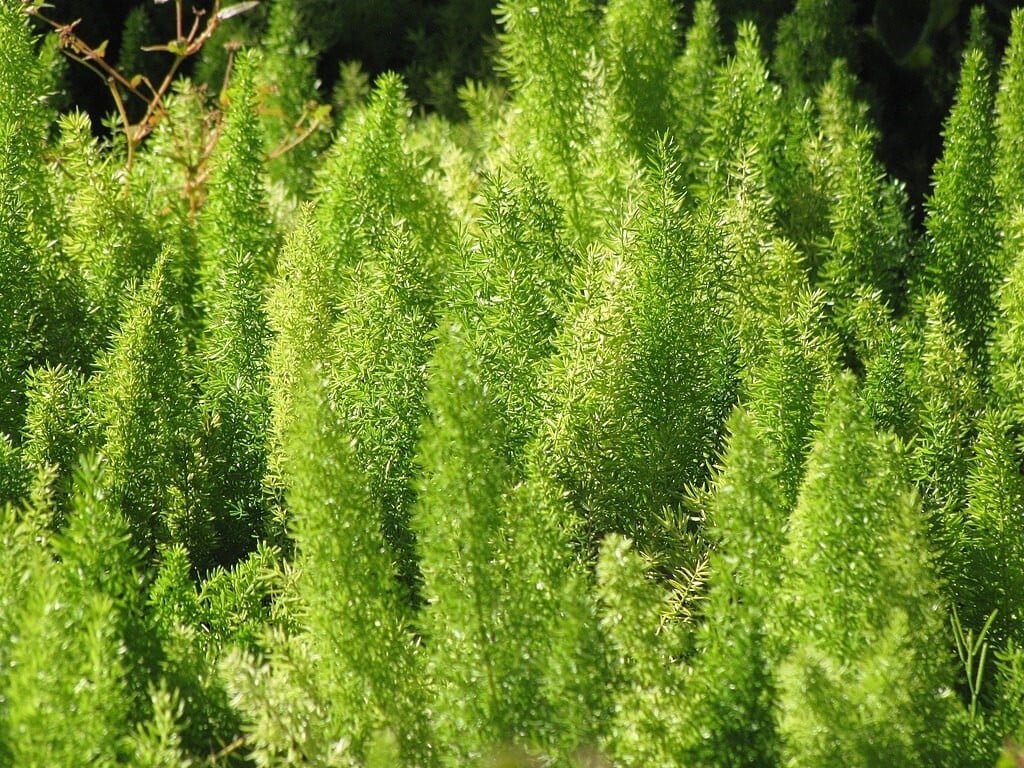
For a statement that borders on bold, another Florida fern option is the Macho fern. This particular groundcover looks as though it would feel at home in Jurassic Park thanks to its impressive growth and sword-like appearance.
How to Care for Groundcover
Every groundcover, living or not, requires its own kind of care, especially in Florida’s heat, humidity, sandy soil, heavy rain, salt air, and occasional cold snaps.
For materials like rocks and decorative stone, you may be able to go longer between refreshes, but they still need occasional attention to keep the landscape looking clean, safe, and intentional. Routine maintenance is key, from tidying edges and removing debris to checking for any areas that have shifted, thinned out, or become uneven.
With things like mulch, you’ll likely need to clean out your mulch beds and refresh them with new mulch over time. Because mulch is organic, it naturally breaks down. While it may not deteriorate immediately, it will not stay fresh and tidy forever without periodic care.
For living groundcover, like perennial peanut, ivy, beach sunflower, and more, you’ll need to respect the groundcover for what it is: alive. This means caring for it with a regular maintenance schedule, protecting it from pests, irrigating it properly, fertilizing when needed, watching for cold or sudden freeze damage, and making sure it continues to thrive alongside your other plantings. In other words, treat your living groundcover like you’d treat your flowers, plants, trees, and more.
Just remember, maintenance is everything. If your groundcover is not cared for properly, it can quickly become overgrown, patchy, or disruptive to nearby plants and beds. It only takes a little groundcover to go a long way in a residential landscape, especially when it is chosen with Florida’s climate, your home’s style, and your long-term maintenance needs in mind. With the proper design, installation, Florida-friendly groundcover picks, and ongoing care, your outdoor space can feel more lush, finished, and easy to enjoy.
Request a Groundcover Consultation in Tampa Bay
If you’re interested in learning more about groundcover, how to care for it correctly, or which Florida-friendly options could work best around your home, request a consultation with Salt & Soil Garden Company.
Our team helps Tampa Bay homeowners enhance, refresh, and care for outdoor spaces with plant knowledge, design sensitivity, and an eye for the details that make a landscape feel lush, personal, and easy to enjoy. From St. Petersburg to Clearwater and throughout Tampa Bay, we can help you choose groundcover that supports your landscape’s beauty, health, and long-term care.
Image sources: beach sunflower, emerald blanket carissa, purple queen, perennial peanut, dwarf oyster plant, blue my mind, foxtail fern, macho fern